Search Parismarais.com
 

4085404 visitors
  Welcome to Le Marais
Organize your trip


Le Marais Best Hotels

Luxury 5 star hotels
Luxury 4 star hotels
Luxury 3 star hotels
Charming Budget Hotels
  Luxury Private Apartments
Rent a flat
Rental conditions
Book now
Guestbook
FAQ about renting
  Decoration & design
Beauty & spas
Gastronomic treasures
Art galleries
Bookshops & Culture
Flowers
Women's Fashion
For your Kids
Men's Wear
Chic & Sexy
Antiques & Jewelery
Buy & Sell your goods!
  Charlot - Bretagne
Rue des Francs Bourgeois
Place des Vosges
Saint-Louis & Saint-Paul
Beaubourg & Temple
Bastille & Arsenal
Le Marais for musicians
Jewish Marais
Museum Guide
Historical Marais
Historic houses panorama
Le Marais in 1600
Le Marais & The Sun King
Marie Antoinette Story
The Temple Story
Le Marais under Napoleon
Le Marais in 1900
Le Marais during WW2
Le Marais in 1960
Selected books
  Selected restaurants
Favorite Bistros
Selected Paris Cafés
Selected bars
Tea houses
Nightlife in le Marais
Theatres & cinemas
A day in Le Marais
Summertime in Paris
Bastille Day
Vive la République!
Find Love in Paris
  Tips on Gay life
Daily Agenda
Gay Guided Tours
Restaurants
Bars
Shopping
Clubbing
Sauna & Fitness
Lesbian Guide
Where to Stay
Paris Gay Pride
Health Issues
Meet your man
Meet your girl
Gay links
  Classifieds
Property search
Interior Design
Advice on real estate
Real Estate Agencies
Banks & mortgages
Craftsmen guide
  Classifieds
Relocation services
Health services
Education
Useful local services
Central Paris maps
Guides and advisers
FAQ about Paris
and Le Marais

PARISMARAIS
is recommended by
Paris Tourist Office


Document sans nom
Museum guide
......

Running with Deer and Hunting with Hounds
The Hunting Museum reopens its doors to the public, including, maybe, animal lovers.
By Paige Dorkin for The Paris Times

In february 2007, after two-years of hibernation, the Musée de la Chasse et de la Nature reopened its doors to reveal extensive restoration work and a complete reshuffling of its collection.

It is nothing like the musty homage to machismo you might expect. Clean lines and creamy stone offset subtle details to evoke the forest: handrails hint at scales, fur and claws, a crop of iron antlers juts from a ceiling, lighting is dappled. Traditional trophies and paintings co-exist with contemporary installations. A teddy bear floats, unravelled, in a bell jar, engraved gold dog collars line a cabinet, and a profusion of owl feathers forms a moulded ceiling...

A series of interconnecting rooms, each with its patron animal, urges the visitor to reflect upon the ancient, often mystical relationship between humans and the wild creatures we have feared, hunted, tamed, and mythologized. The Salon du Cerf et du Loup, for example, evokes medieval symbology, in which the deer is aligned with Christ and the wolf with the devil.
 
The museum experience is both moving and aesthetic—not staidly anthropological. There is no attempt to erase the reality of brute force and suffering, but there is also no trite lip service paid to politically correct indignation over the cruelty of hunting. Beneath the visceral gore of an oil-painting that depicts the scene of a kill, a stuffed wild boar stands unfazed, paradoxically intact. Even after the indelicate attentions of the taxidermist’s toolbox, he retains an air of inscrutability.

But the museum boasts more than an astonishing array of objects and a healthy dose of nuance with regards to hunting; it is also a prime example of the rich architectural heritage of the Marais (see page 08). In the mid-17th century, Jean-François de Guénégaud des Brosses, secretary to the king and a man of considerable means, commissioned François Mansart to build him a fitting abode.

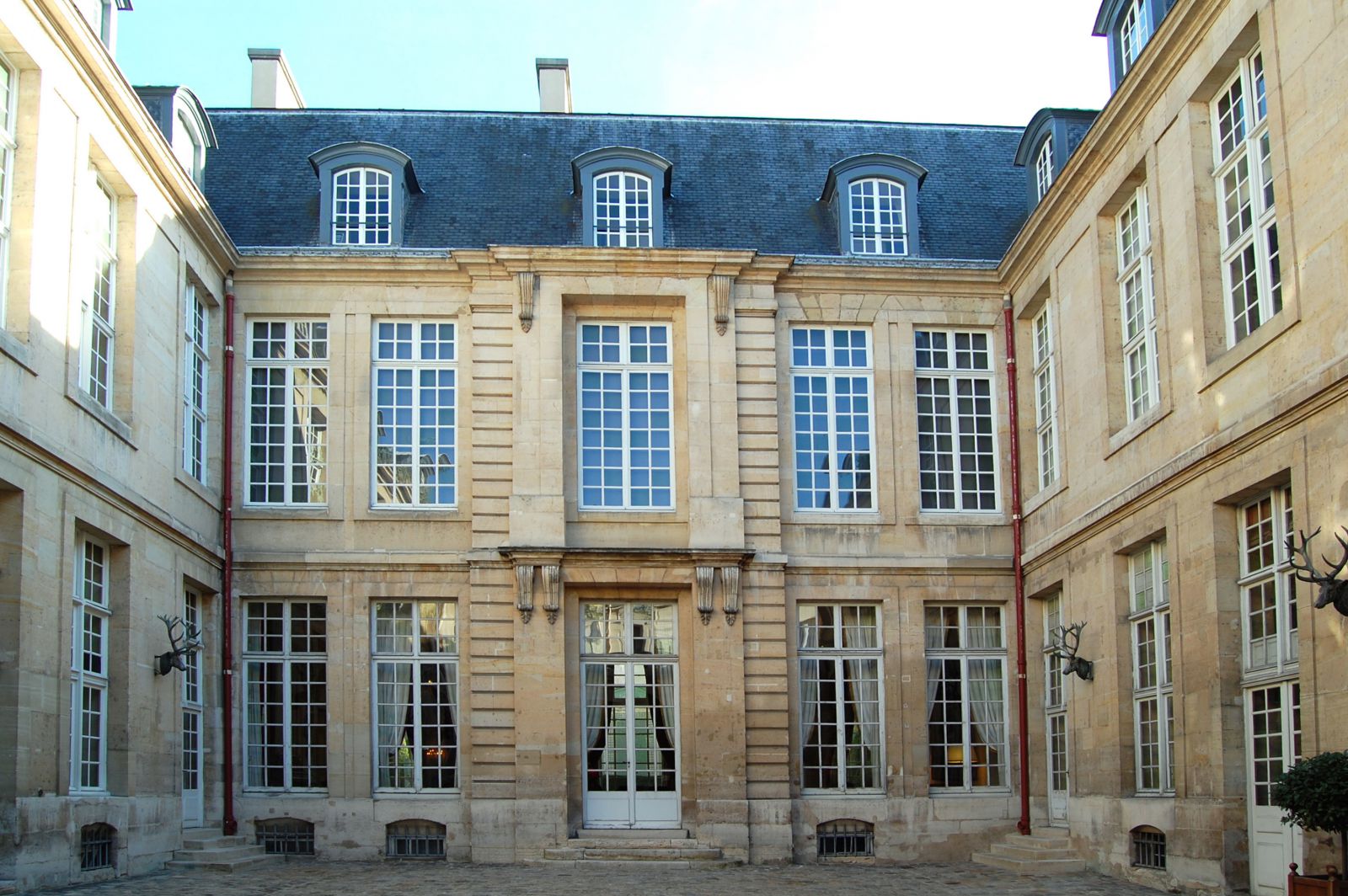
Today, the Musée de la Chasse et de la Nature, or Hôtel de Guénégaud, is the last of the architect’s projects to remain standing. The restoration process was painstaking and radical: a team of experts ordered the building to be entirely gutted before starting afresh, which allowed for the customisation of space according to the collection—a rare opportunity and a curator’s dream. From the curtains to the parquet flooring and wood panelled ceilings, all the interior fittings are brand new. And yet nothing jars. Down to the colour of the window frames in the courtyard, a surprisingly bright blue that was discovered under no less than seventeen layers and nearly four centuries of paint, the changes respect the monument’s past and ease it gracefully into the present.

Closed Monday. €4.50-6.
Musée de la Chasse et de la Nature, 60, rue des Archives, Paris 3. M° Rambuteau. 01 53 01 92 40. www.chassenature.org

"Le Marais," which means swamp, is the heart of historical Paris. Most of this now protected district was built in the 16th and 17th centuries. At the beginning of the history of Paris, 20 centuries ago, this area used to be a zone infested by insects with very wet and unstable ground, which is where it gets its name from. In today's Paris, Le Marais is in the 3rd and 4th arrondissements (districts) of town. It is one of the most fashionable districts, and most expensive to live in too... For 30 years now, the city council and the government have improved the district and progressively restored most of the beautiful private mansions and aristocratic palaces that had been left abandoned for years.

Here in this district, you're close to the best museums of Paris. The one to see first, to know more about Paris History, is the Musée Carnavalet in rue de Sévigné: it is THE museum of Paris history. Through paintings, models, pictures, furniture, you'll see the evolution of Paris from the Middle Ages up to the 19th century. This really is a marvellous trip through time... Also, not to be missed is the Hotel Salé which is now home to the Picasso Museum. If you stay longer than a weekend, here are some other museums to visit and improve your knowledge of Parisian and international culture! The good news about visiting museums is that since January 2002 all those run by the city council are totally free.

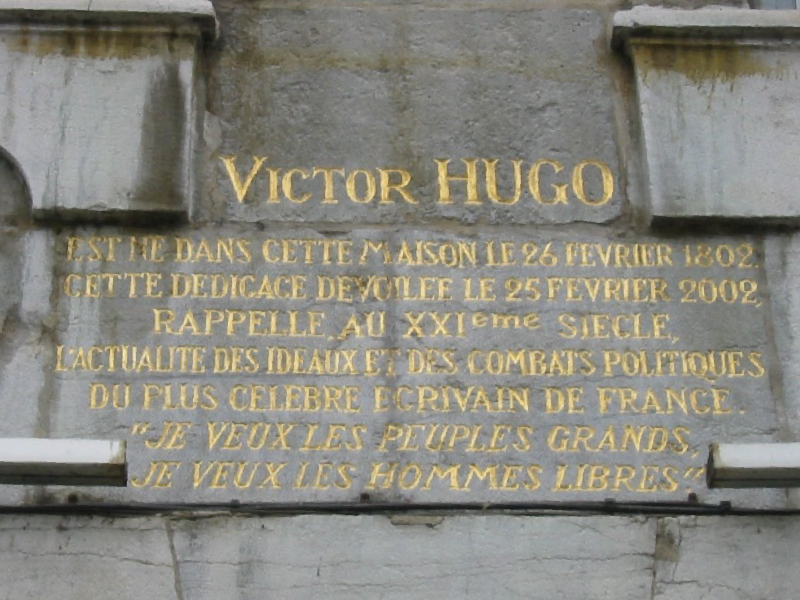
Victor Hugo’s House in Le Marais

The hotel of Rohan-Guéménée was constructed on the site of the Park of Tournelles, by Isaac Arnauld, the King’s counsellor and administrator of Finances, who was granted the lot in 1605. In 1639, the residence became the property of Louis de Rohan, prince of Guéménée, and it stayed in the family until 1784. Put up for sale, the hotel was purchased by Jacques Desmary, then in 1797 by the family Péan de Saint-Gilles, and it finally was donated by its descendants in 1873 to the City of Paris and transformed into a primary school.

.......

...............

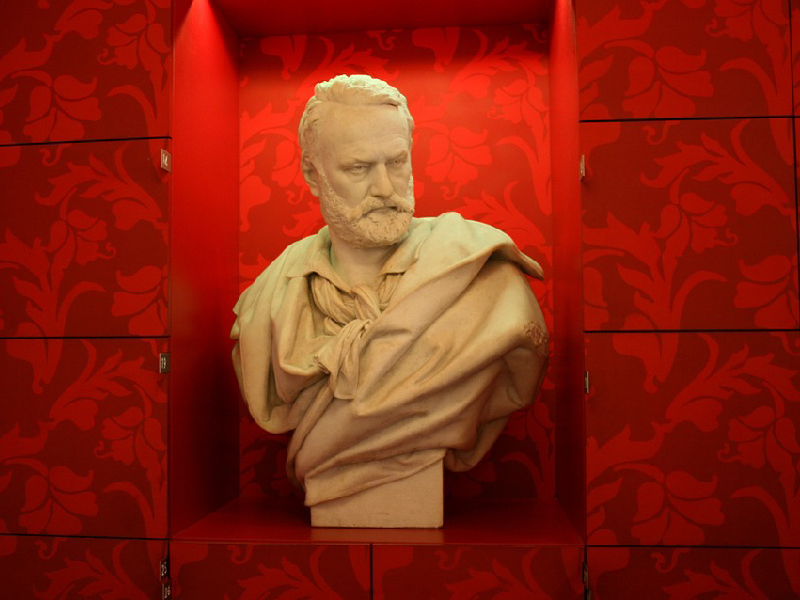
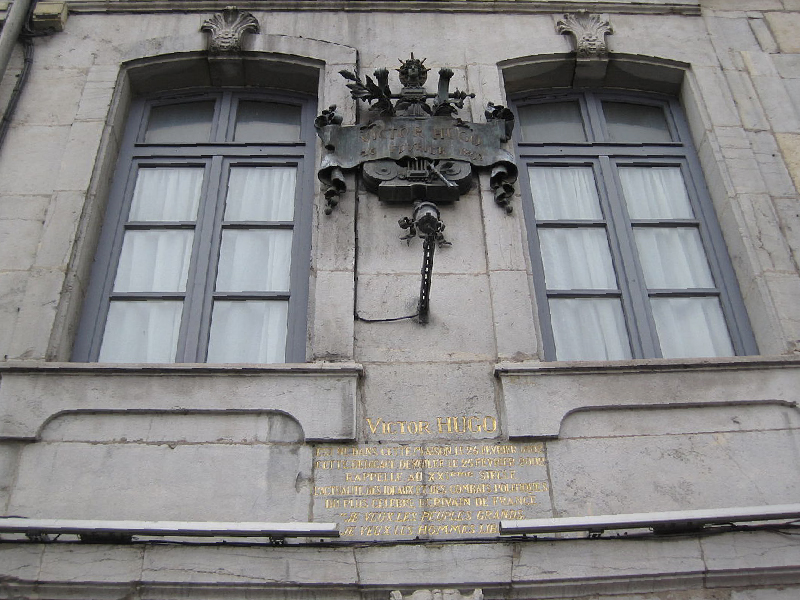
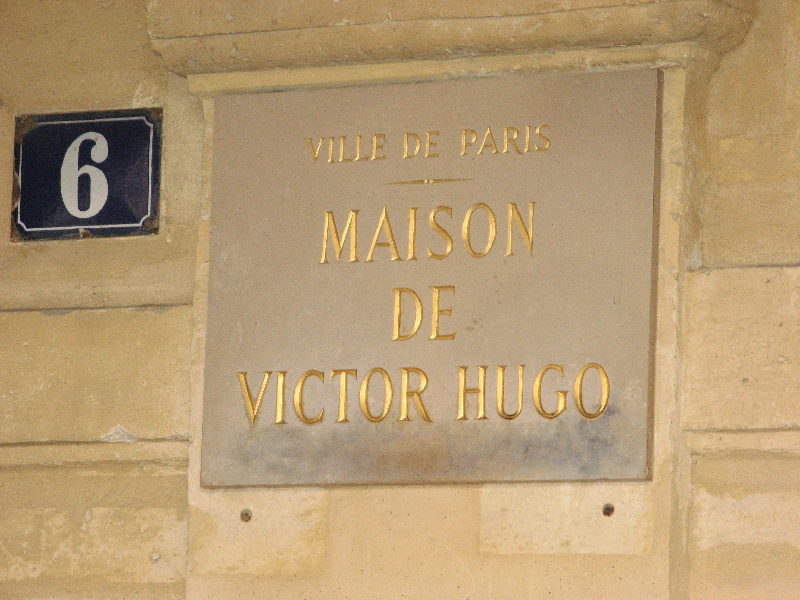
In 1832, during the rehearsals of his play Le Roi s’amuse, Victor Hugo settled himself at the Place Royale ( now Place des Vosges ), which soon became a popular meeting place where his friends, such as Charles Nodier and Théophile Gautier, would make regular visits. On July 12th, 1832, the lease for the rental of the apartment was signed. The specified contract, starting January 1st 1833, stated, a second floor apartment situated at the Place Royale n°6; the apartment consists of an antechamber, dining room, and drawing room, with a kitchen overlooking the courtyard, several rooms in a wing that can be reached by a corridor with an exit, a small staircase, woodshed, three servants rooms, and a cellar.

..........

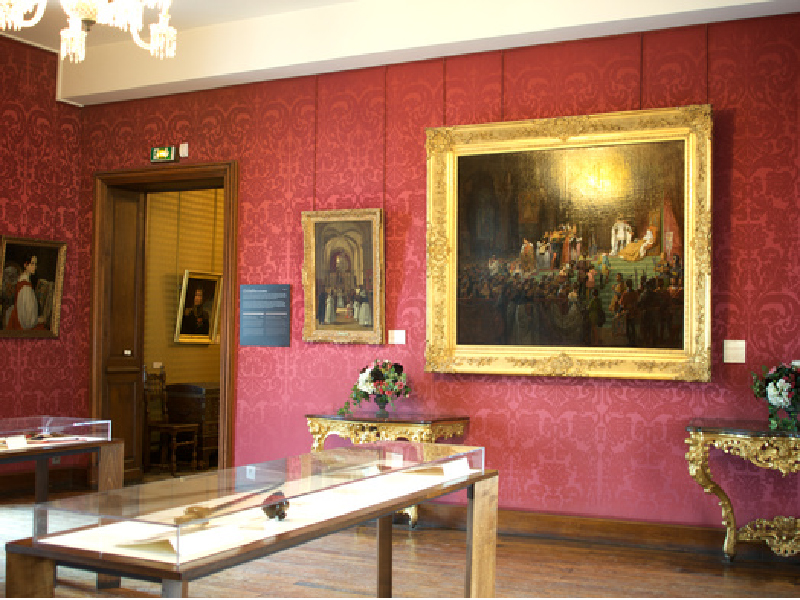
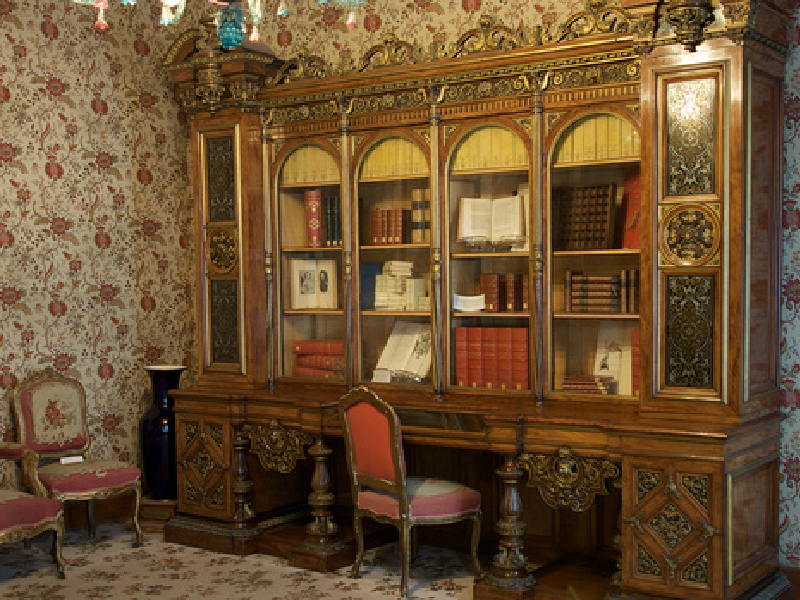
The tour of the apartment, which has a surface area of 280m², portrays the three different stages of Hugo’s life, Before the Exile, During the Exile, and After the Exile. The antechamber evokes the childhood and youth of the poet, his marriage with Adèle Foucher, and the birth of their children. The Red drawing room restores most clearly the period during which the family lived at the Place Royale. Here in the apartment, Hugo welcomed many of his friends, while receiving social and literary fame as leader of the Romantic Movement.

......................

..............

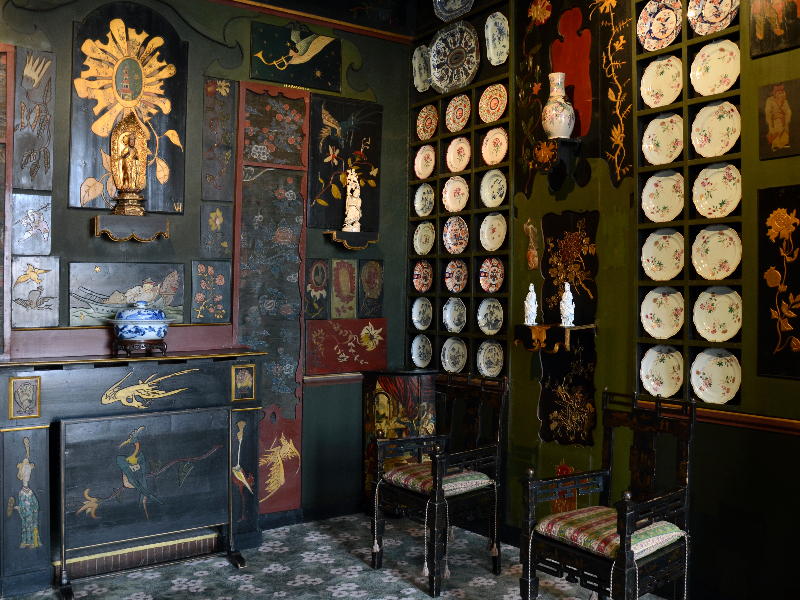
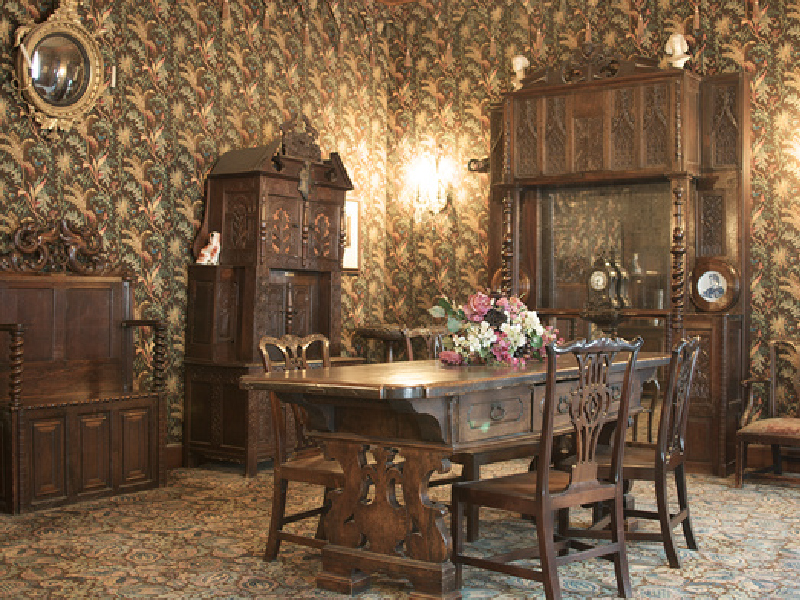
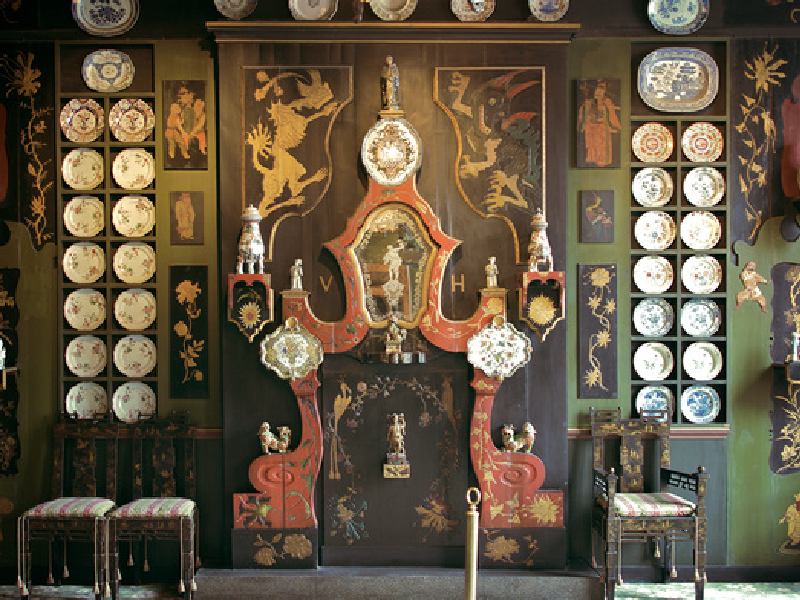
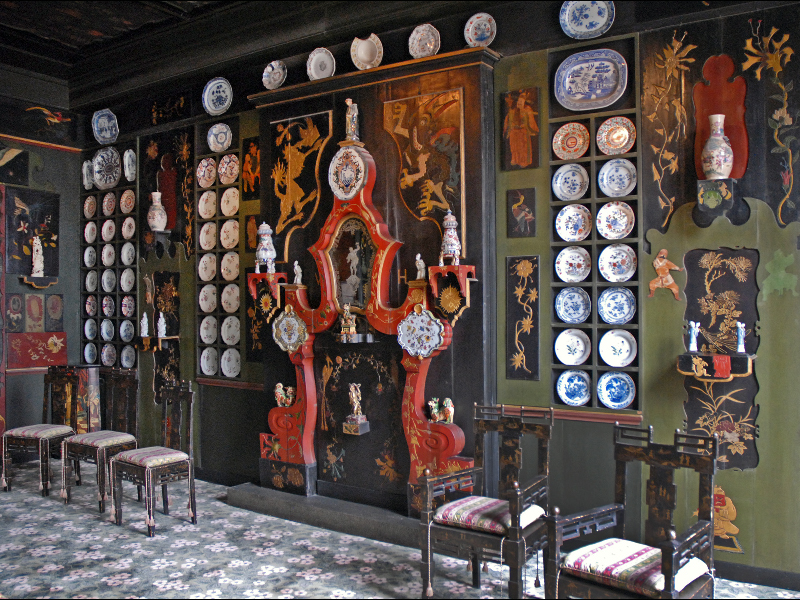
The Chinese drawing room and the dining room with its medieval inspiration evoke the period of his exile, as they were conceived by Hugo for the house of Juliette Drouet, his mistress, in Guernsey. These rooms both reveal the poets’ talents as an interior decorator, while echoing the decor of Hauteville House. After the dining room, a small room, which used to be the office of Hugo, exhibits photographs of the Jersey studio (1852-1855), taken at the beginning of the exile by Charles Hugo and Auguste Vacquerie.

..

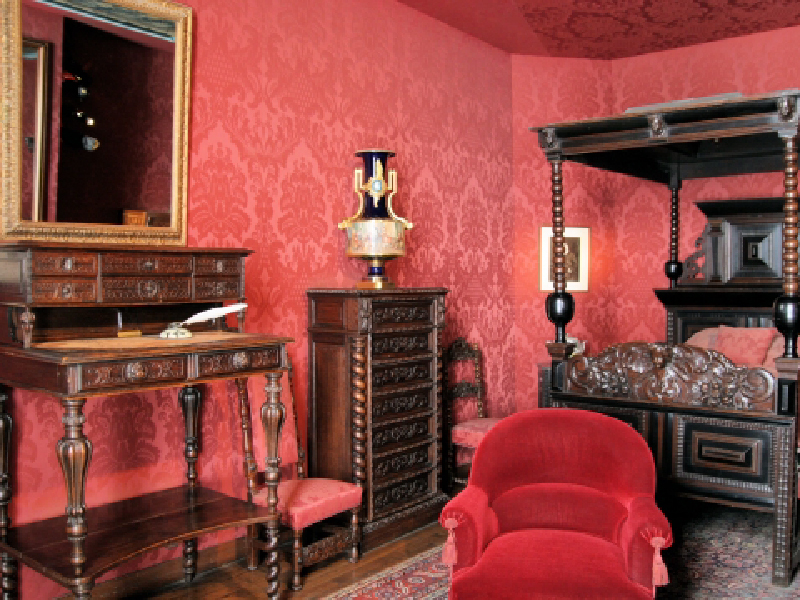
The rooms that represent Hugo’s return from exile, in 1870, portray the celebrated poet of the 3rd Republic, who settled at Rue de Clichy, and then in 1878 at Avenue d’Eylau, which in 1881 was renamed Avenue Victor Hugo. The final room of the apartment, a donation by his grandchildren, Georges and Jeanne, is an accurate reconstruction of the bedroom in which Victor Hugo died on May 22nd, 1885.

When Victor Hugo moved into the apartment with his wife Adèle and their four children, he was thirty years old and had already lived through the famous “bataille d’Hernani” and been successful with Notre-Dame de Paris (1831). Here in the apartment was where he wrote Marie Tudor, Ruy Blas, Les Burgraves, Les Chants du Crépuscule, Les voix intérieures, Les Rayons et les Ombres. He also wrote a large part of Les Misérables and the beginnings of La Légende des siècles and Les Contemplations.

The Maison de Victor Hugo receives more than 120,000 visitors each year. Over the past three years, the attendance of visitors has been at a constant increase, despite the periods of closure during which the museum made necessary changes. The renovation included the addition of a welcoming space for large group visits and an elevator that enables access to the rooms for handicapped visitors. The first floor, in particular, with a layout similar to the apartment, went through some important transformations: after staging several exhibitions, the space was significantly enlarged in order to accommodate both fund raising events and temporary exhibitions.

Many Thanks to Constance Allard and Marion Legay for their contribution.
Victor Hugo’s House
6 place des Vosges 75004 (metro Saint-Paul, Bastille)
Tel. 01 42 72 10 16
Open 10.00-17.40 except on Mondays


Le Musée des Arts et Métiers

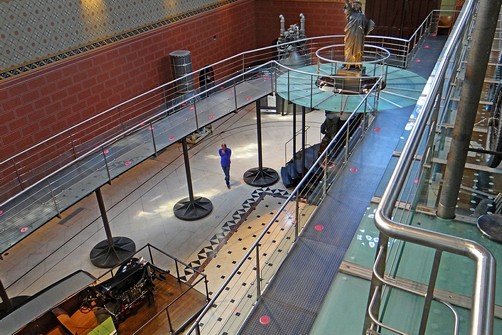
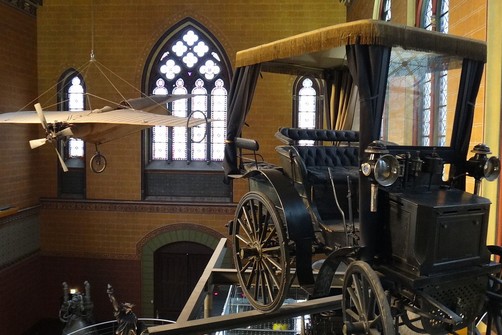
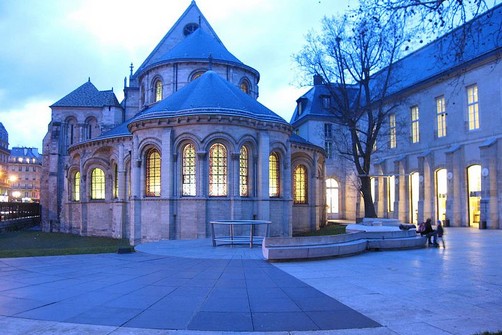
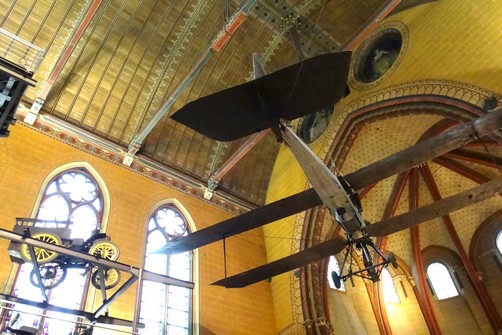
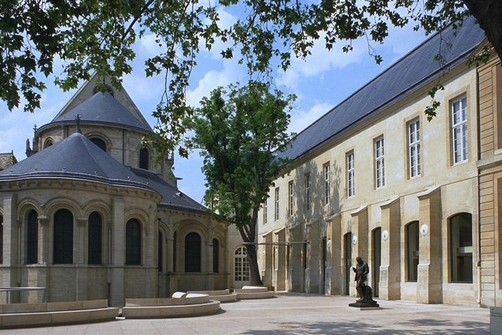
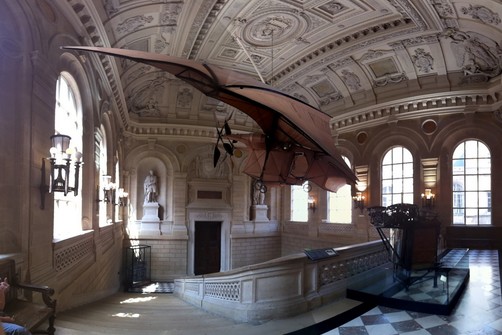
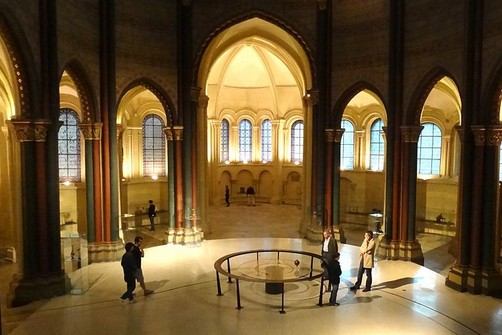
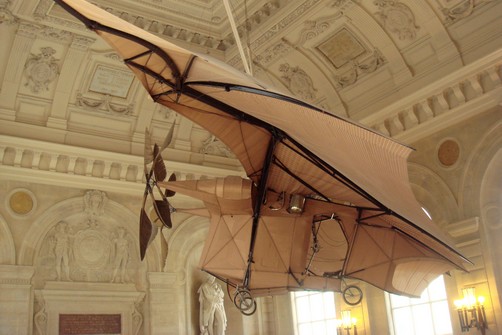
Located in the former Saint-Martin-des-Champs abbey, the Conservatoire des Arts et Métiers was created during the French Revolution. Completely renovated in 2000, it is now an impressive museum dedicated to human genius. The former church of the abbey even has suspended planes and cars !

..............

..............

..............

..............

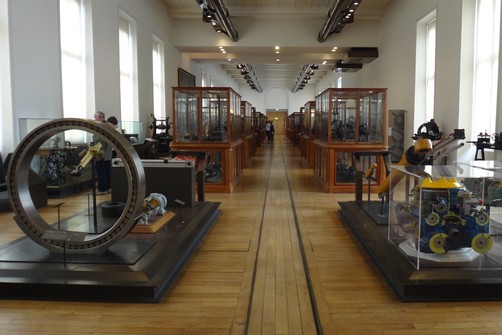
The permanent collection offers a journey through past and present techniques. You will discover the 7 areas of study : Scientific instruments, materials, construction, communication, energy, mecanics, and transportation. Within each department, the evolution is shown chronologically.

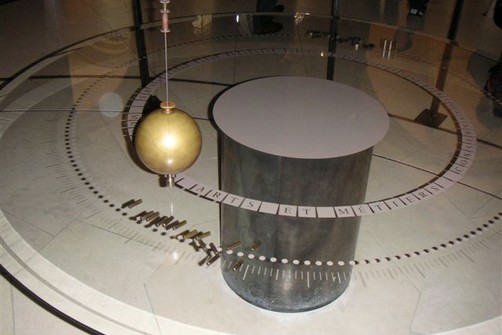
You can also see a statue of liberty model and an original version of a Foucault pendulum, not to mention a variety of timepieces and arts and crafts. When you’re ready to take a break, enjoy a drink or a snack at the café-restaurant that also has an open air terrace in the summertime…

..............

..............

..............

..............

ACCESS
60 rue Réaumur
75003 Paris
Métro : Arts et Métiers, Réaumur-Sébastopol
Bus : 20, 38, 39, 47
HOURS
Tuesday – Sunday from 10 am to 6 pm.
Late evenings on Thursday until 9:30 pm.
Closed on Mondays and holidays.

Web site : www.arts-et-metiers.net

The library is open during museum hours. The photography department is accessible by appointment.

..............

..............

..............


Maison Européenne de la Photographie

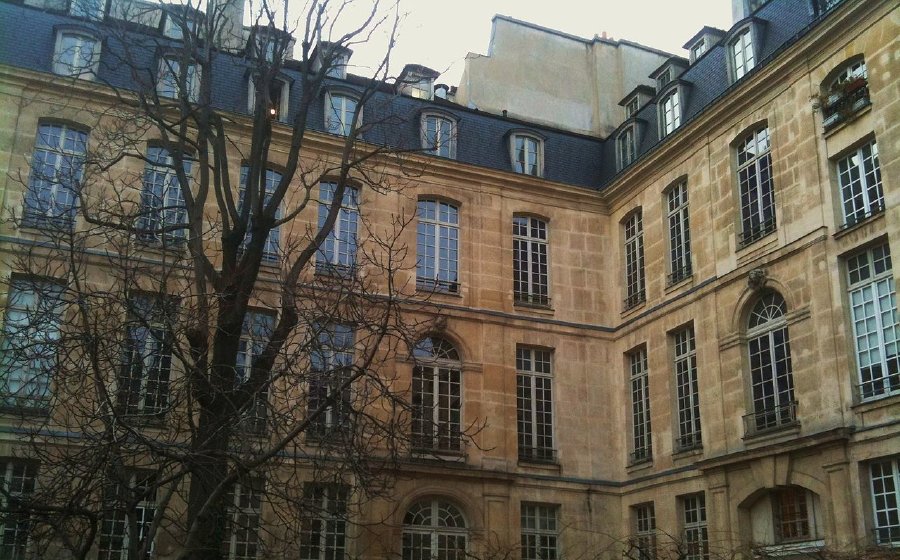
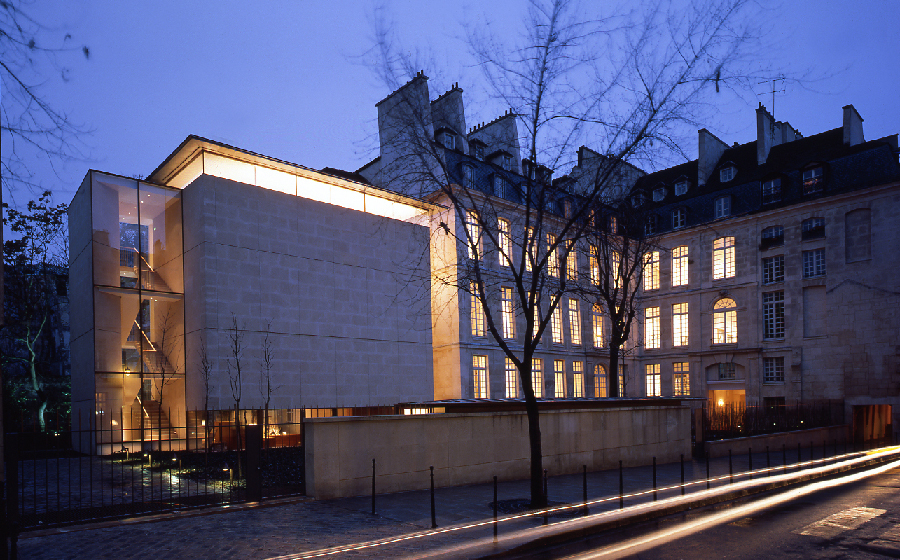
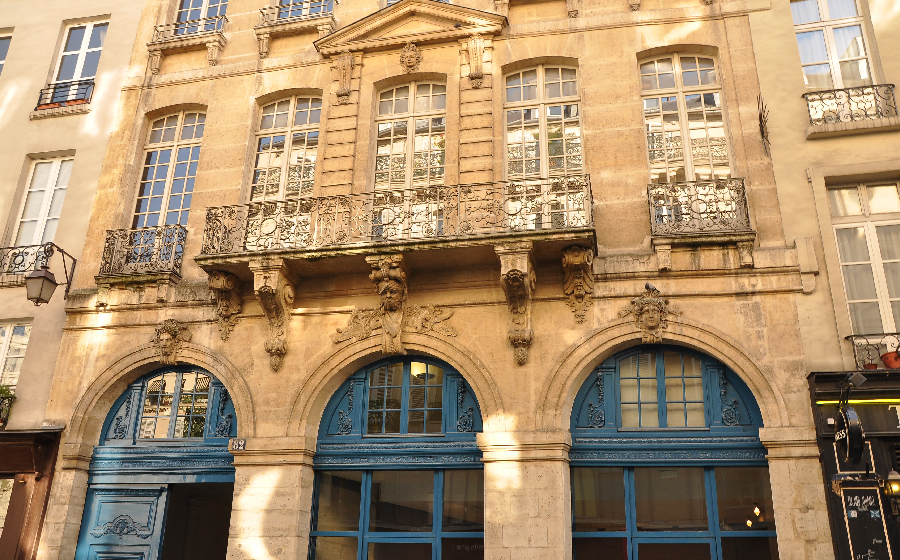
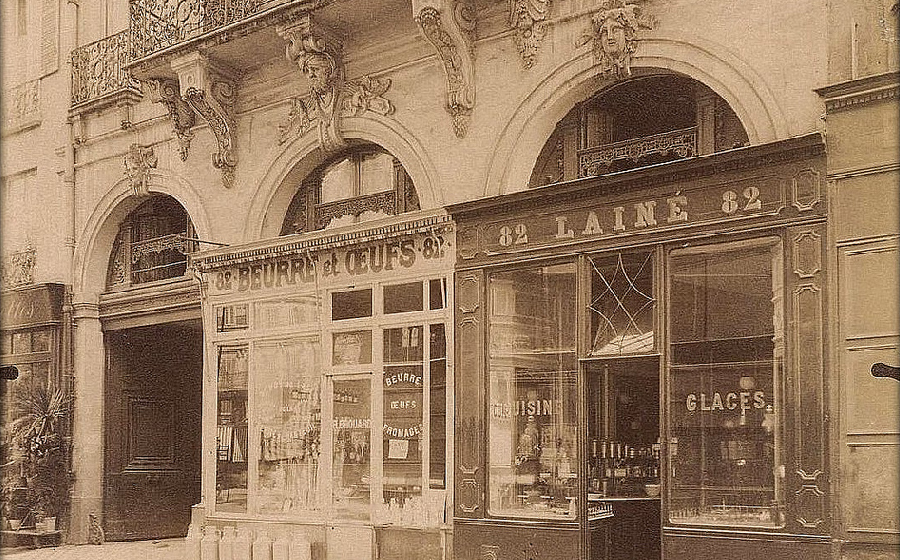
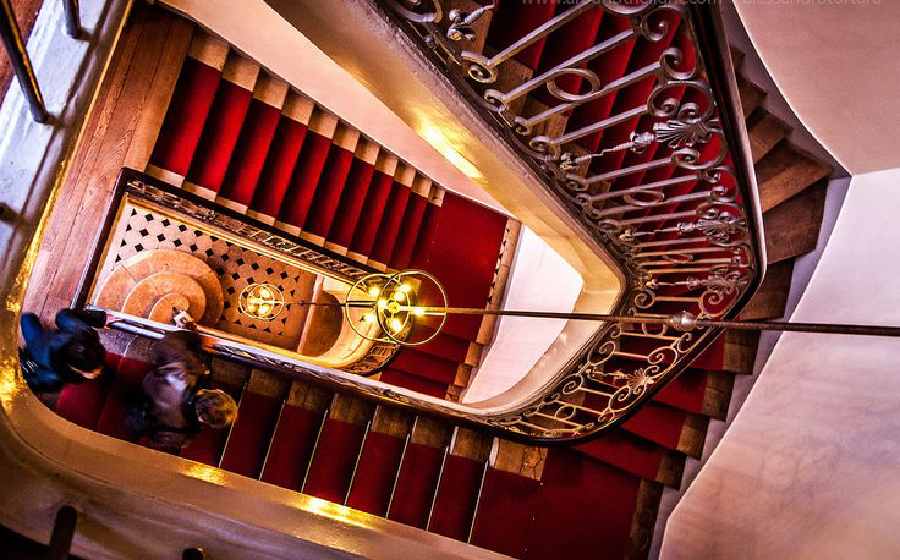
The building located at 82 rue François Miron was built in 1706 for Hénault de Cantobre, tax collector. It is a fine example of 18th century classical architecture. The house originally belonged to the Gayet family up until the Revolution. In 1792, it was sold to Antoine Pezet de Corval who then resold it in 1793 to Didier de la Borne. The family of the latter owned the home until 1842. Later, it would be the property of relatives of commander Cohas until 1914. Since that time, the building is owned by the city of Paris. The street facades, ironwork, and central staircase have all been registered as historical monuments. The renovations mainly involve the rehabilitation of the interiors.

..............

..............

In 1988, the city of Paris chose the hotel de Cantobre as the site for the Maison Européenne de la Photographie. In order for the building to serve the functional needs of a large-scale cultural institution, the architects Bernard Deroeux and Olivier Foures were hired to prepare a design study for competition.

..............

The architectural studio of Yves Lion, award winner of the competition which took place in 1990, ultimately won the task of preserving the old-world charm of the building; inventing an internal flow which would meet the functional needs of a modern institution while simultaneously respecting the original structure.

..............

..............

Situated in the historic heart of Paris, the museum is a major center for contemporary photographic art. A completely new kind of cultural establishment, it houses an exhibition center, a large library, a video viewing facility with a wide selection of films by or about photographers, and an auditorium. It is designed to offer easy access to the public of the three fundamental photographic medias : exhibition prints, the printed page, and film.

..............

With 12,000 square feet of exhibition space on three floors, photography-lovers can discover the permanent collection with works by the world’s most influential photographers, including Robert Frank, Josef Koudelka, Raymond Depardon, and Martin Parr. There is also an entire gallery devoted to Irving Penn, one of the most famous photographers of the latter half of the 20th century.

..............

..............

The temporary exhibits range from fashion photography to journalism to art photography and are often retrospectives of a selected photographer.

..............

MEP – Maison Européenne de la Photographie
5/7 rue de Fourcy - 75004 Paris
Telephone: (33) 1 44 78 75 00
Fax: (33) 1 44 78 75 15

Web site : http://www.mep-fr.org
Open every day from 11 am to 8 pm, except Mondays, Tuesdays and public holidays. Tickets on sale until 7.30 pm.
Half-year pass - Full price: 41 € - Reduced price: 22 € - Year pass - Full price: 55 € - Reduced price: 31 €


The Doll Museum

The Musée de la Poupée-Paris, place of amazement, discovery or nostalgia presents more than 400 French dolls from 1800 to our days in settings that will enchant the children as well as the adults.

..............

..............

The Musée de la Poupée opened in June 1994 in the heart of le Marais between Pompidou Center and The Museum of Jewish History, next to Metro station Rambuteau, its windows are just facing what will be soon the new public gardens of Saint Aignan, rebuild in their traditionnal 17th century style « à la française ».

..............

The permanent rooms present the private antique doll collection of father and son Guido and Samy Odin as well as the donations to the Museum.

About 500 amazing dolls from 1800 to today made of bisque, composition, cloth, rubber, celluloid or plastic materials are presented in situations of the past with pieces of furniture, accessories, and toys from their period and at their scale.

..............

..............

The dolls are presented chronologicaly and show the evolution of this toy through times : the doll morphology, the material used to produce dolls, their functions and educational role...

Under the Second Empire, the doll has first represented the lady morphology. These rich and refined lady-dolls are particularly remarquable for their trousseau and accessories reflecting the fashion of their time. First made of wood and composition, they had a bisque (mat porcelain) head and a leather or wood body.

......

In 1878 a new type of dolls appeared at the universal exhibition of Paris : the bisque headed « bebe » that represented from then on the child from 3 to 12 years old. The "bebe’s" birth is related to the incredible international development of French doll and toy industry.

In 1899 the most important French doll makers associated through the SFBJ -Société Française de fabrication de bébés et Jouets- in order to fight against the foreign competition and mainly the German one. The SFBJ production is outstanding for the exceptional series of "character bebes" with expressive faces and child or even baby bodies. During the roaring twenties, new materials have been used in the doll industry : celluloïd, composition, papier-mâché, cloth, felt...
Simoultaneously a new morphological type of doll raised on the market : the soft body baby representing the new born with a bald big head with side glancing eyes looking very realistic.

Chidren’s magazines also promoted dolls given as a gift such as Bleuette of "La Semaine de Suzette" which is probably the most famous with her rich trousseau that could be bought already made or could be sewn by little girls from the patterns published in the magazine.

..............

During the second part of the XXth century, new plastic materials appeared in the doll industry and all the other ones were abandoned. On the other hand, the variety of the dolls of that era is amazing : classic dolls, baby dolls, brand new fashion dolls, soft body babies, caricature or funny dolls. The main firms still using celluloïd or rhodoïd at that time are Raynal, Petitcollin, Nobel, Convert, Urika, Marechal... The ones imposing with new plastic materials are Bella, Gégé, Clodrey and later Corolle... In 1951 The lady magazine « Modes & Travaux » sold its own dolls for which patterns were published monthly in order to dress them. Collectors are still very fond of Françoise, Michel and the others.

The Doll Museum also offers a Doll hospital is at your disposal for your antique dolls. Don’t hesitate to bring them, whether they are made of bisque, celluloid, rhodoïd... We also do minor restoration for teddy bears and antique plush animals.

Musée de la Poupée
Impasse Berthaud - near 22 rue Beaubourg
75003 Paris

Tel : 33 1 42 72 73 11
Fax : 33 1 44 54 04 48
Email : musee.poupee@noos.fr
Email of the shop : boutique.poupee@noos.fr

Metro Rambuteau
Bus 29 - 38 - 47
Car park Beaubourg
Wheel chair access
Mental and auditive "Handicap and Tourism" National Label


Malmaison Palace

The name of Malmaison came from the Normans who invaded France in the middle ages -- it literally means "bad house," and it probably was when it was first built. Today, there is nothing bad about Malmaison…it is simply magnificent due to the great renovations that have taken place throughout the years under the control of the French Minister of Culture and Malmaison Director Bernard Chevallier, who is now in charge of keeping the house valuables and treasures. The former medieval castle of Malmaison no longer exists, and most of what is now standing was built in the 18th century.

..............

During the French Revolution of 1789, the rich families who owned Malmaison were forced to sell it to Joséphine Bonaparte, wife of Napoleon, First Consul, for the equivalent of 45,000 euros, a real fortune at this time. Returning from Egypt, Napoléon Bonaparte, who had not yet been named emperor, became the real owner of the castle. From 1800 to 1802 this small castle was fashioned to be quite splendid, reflecting the diversity and richness of the arts of the new imperial style. It became the head of French government under the name of " Palais Impérial de Malmaison."

..............

In 1809 Napoléon, who had conquered almost all of Europe, divorced Joséphine and gave her the castle, including all the prestigious collections inside. Joséphine died on May 29, 1814, leaving the castle to her son, Prince Eugène. In 1828, Eugène's widow sold Malmaison to a Swedish banker. Queen Christine of Spain, bought it in 1842 as a holiday residence, then in 1861, resold it to Napoléon III, grandson of Joséphine, who restored it to the glory of the Napoléon Dynasty.

..............

The castle was seriously damaged by the war between France and Germany, and for a short time in 1870 it became a miserable military camp and lost all of its brilliance. The whole house and park was finally sold to the French State in 1877, and the land of the park was used to build private houses. In 1906 the castle became a national museum, dedicated to Napoléon and Joséphine.

Located just 6 km west of Paris and easily reached by suburban trains, buses or cabs, Malmaison is a wonderful place to visit and a unique castle, reflecting the golden age of the Napoleonic French Empire. Closed on Tuesdays.

Visit Malmaison official web site :
http://www.chateau-malmaison.fr

Visit Pierre-Jean Chalençon Private collection of Napoleonic Arts, run in the USA by Russel Etling Company : Napoleon, an intimate portrait
http://www.napoleonexhibit.com


Musée d'Art et d'Histoire du Judaïsme
Hôtel de Saint-Aignan - 71 rue du Temple 75003 The Museum gives Jewish heritage an impressive showcase, the building itself is a fabulous 17th century palace, worth visiting.
http://www.mahj.org/
   
Musée carnavalet - History of Paris
23-29 rue de Sévigné 75003 (metro Rambuteau or Saint-Paul)
Tel. 01 42 72 21 13
Open 10.00-17.40 except on Mondays – free entrance except for temporary expos
Paris from the roman times to 1900… If you see only one museum, see this one !
http://www.v1.paris.fr/musees/musee_carnavalet/musee/principal_cadre.htm
   
Archives Nationales History of France
60 rue des Francs-Bourgeois 75003 (metro Rambuteau)
Tel. 01 40 27 62 18
open 12.00-17.45, Saturdays and Sundays 13.45-17.45, except Tuesday
Just the courtyard is like a little Versailles, worth visiting !
http://www.archivesnationales.culture.gouv.fr/chan/
   
House of Victor Hugo
6 place des Vosges 75004 (metro Saint-Paul, Bastille)
Tel. 01 42 72 10 16
Open 10.00-17.40 except on Mondays
Victor Hugo lived there from 1832 to 1848.
Visit for free the house of the famous writer of Les Miserables !
http://www.musee-hugo.paris.fr

Museum of Hunting and nature
60 rue des Archives 75003 (metro Rambuteau)
Tel. 01 42 72 86 43
Set up in the hotel de Guénégaud, the museum recalls the hunting through hunting weapons, paintings and trophies of stuffed animals like a big white bear ! Its now under construction for a future extension.

Cognacq-Jay Museum
8 rue Elzévir 75003 (métro Saint-Paul)
Tél. 01 40 27 07 21
Open 10.00-17.45 except on Mondays
Dedicated to the furniture and arts from the 18th century. Founders of the Samaritaine department store, Ernest Cognacq and Louise Jay gathered an interesting collection of furnitures and paintings. Free access.
http://www.v2asp.paris.fr/musees/cognacq_jay/default.htm

The Billettes Cloister
22-26 rue des Archives 75004 (metro Rambuteau)
It is the only medieval cloister remaining in Paris. It often welcomes shows or temporary art expos. Free entrance daily.

Centre Georges Pompidou
19 rue Beaubourg 75004 (metro Rambuteau)
Tel. 01 44 78 12 33
Open 11.00-22.00 except on tuesdays
Modern Art lover, President Georges Pompidou who died in 1974 wanted to build a big contemporary art museum and library to make culture accessible to all the parisians. It opened its doors in 1978 and was completely renewed in 2000. From the roof terrace you have the best view on Paris !
http://www.centrepompidou.fr/
   
Picasso Museum
5 rue Thorigny 75003 (metro Saint-Sébastien Froissart, Saint-Paul)
Tel. 01 42 71 25 21
Open open 9.30-18.00, 9.30-17.30 in winter, except on Tuesdays
The Picasso museum has been installed in the Hôtel Salé, a 1656 beautiful palace. The museum has been created in 1985 when the State inherited of hundreds of paintings, sculptures and drawings from the master of modern painting.
http://www.musee-picasso.fr/
   
Arts et Metiers Museum
60 rue Réaumur, 292 rue Saint-Martin 75003 (metro Arts et métiers)
Tel. 01 53 01 82 00
Open 10.00-18.00 except on Mondays, open till 21.30 on Thursdays,
Set up in the former Saint-Martin-des-Champs abbey, the Conservatoire des Arts et Métiers was created during the french revolution. Completely renewed in 2000 it s now a surprising museum dedicated to human genius. The former church of Saint-Martin-des-Champs shows suspended planes and cars !
http://www.arts-et-metiers.net/
Brancusi's workshop
19 rue Beaubourg, in the north of the Piazza 75004 (metro Rambuteau)
The workshop shows most sculptures of Brancusi, in stone, marble or bronze.

European House of Photography
5-7 rue de Fourcy 75004 (métro Saint-Paul)
Tél. 01 44 78 75 00
Open 11.00-20.00 except on Mondays and Tuesdays
The European house of photography organizes thematic expos of famous photographers… The place itself set up in a 17th century mansion is worth visiting for its beauty.
http://www.mep-fr.org/us/default_test_ok.htm
   
The doll museum
impasse Berthaud, 22 rue Beaubourg 75003 (metro Rambuteau)
Tel. 01 42 72 73 11
Open 10.00-13.00 and 14.00-18.30
The museum shows traditional french porcelain dolls.
http://www.museedelapoupeeparis.com

Bricard museum
Place de Thorigny, 1 rue de la Perle 75 003 (metro Saint-Paul)
Tel. 01 42 77 79 62 The museum shows keys from the 16th to the 19th centuries and welcomes many art expos based on ironworks.


Outside Le Marais but worth visiting

Conciergerie
1 quai de l'Horloge, 75001
Métro Cité
See the only medieval castle of Paris where Marie Antoinette and Louis XVI where imprisoned during the 1789 revolution.
http://www.paris.fr/portail/Culture/Portal.lut?page_id=732
   
Louvre
The biggest museum in the world… See of course the pyramid, the foundations of the old Louvre dating back to the middle age and the newly opened Egyptian galleries. Go early to avoid long line... Try to avoid the main entrance but rather take the one on the rue de Rivoli which is always less busy. Then, come back at least 10 times to see all of it, it's big and amazing! (Closed Tuesday) Free access the first Sunday of each month.
http://www.louvre.fr/
   

The Louvre In partnership with Paris Cap

 
Cluny
Middle Age and Roman museum
Métro Cluny
See Paris from the Roman times until the 14th century... A visit to the old roman baths and a lot more... (Closed Tuesday)
http://www.musee-moyenage.fr/
   
Orsay Museum
Métro Solferino
In this fantastic 19th century former railway station, you will find all the 19th century masterpieces from Camille Claudel sculptures to Van Gogh paintings... On the first floor there is also a fabulous restaurant where you can have lunch for around 25 Euros! (Closed Monday)
http://www.musee-orsay.fr/
 

La Malmaison
Located just 6 km west of Paris and easily reached by suburban trains, buses or cabs, La Malmaison is a wonderful place to visit and a unique castle, reflecting the golden age of the Napoleonic French Empire
http://www.chateau-malmaison.fr/

 
Versailles
Versailles' history galleries constitute the largest history museum in the world. Its contents being composed of masterpieces. The history of France is told through painted and sculpted imagery. Founded in 1837 by King Louis-Philippe, the museum is dedicated to 'all of France's glories'.
http://www.chateauversailles.fr
 
Vaux le Vicomte
Vaux was the tragic setting for the downfall of Fouquet, a faithful minister of King Louis XIV who paid the price of life imprisonment, because of an embezzlement he did not commit, just because of the jealousy of others… Just 50 kms away from Paris, a dream Castle that was used as a decor for Moonraker, the James Bond Movie with Roger Moore.
http://www.vaux-le-vicomte.com


The Arts and Crafts Museum In partnership with Paris Cap


The Magicians Museum in Le Marais In partnership with Paris Cap


Link to Cities In Sound
Insider Paris Guide for Good Value Restaurants
FRANCE CENTRAL
UK DE


Espace publicitaire
disponible

Contactez-nous


Book the best flats
in le Marais


Book the best rooms in le Marais


Where to find
the best boutiques
in le Marais?


Where to dine out
close to your hotel?

© Parismarais | Legal information


stats by